 By Recipes
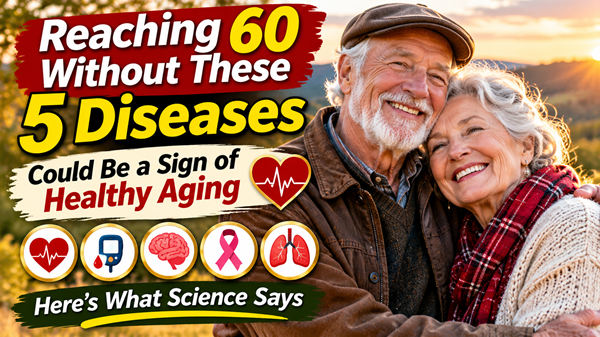
Growing older is inevitable, but how we age can be influenced by many of the choices we make throughout our lives.
Some people reach their 60s, 70s, and even 80s without developing major chronic illnesses. Others begin dealing with health problems much earlier. Why does this happen, and what can we learn from people who remain relatively healthy well into old age?
Although genetics play an important role in determining our lifespan, they are not the only factor. Daily habits, nutrition, physical activity, sleep, stress management, and environmental conditions can all influence how our bodies change over time.
Reaching 60 without certain serious chronic diseases can be an encouraging sign of good health. It may indicate that important systems in your body have remained relatively resilient.
However, living to 100 is never guaranteed. Even people who have enjoyed excellent health throughout their lives can develop medical conditions later on.
Still, understanding the diseases that affect healthy aging can help us make better decisions and protect our well-being for years to come.
Here are five major health conditions worth paying attention to as you get older.

1. Heart Disease: Protecting the Engine That Keeps Your Body Alive
Your heart works continuously throughout your life, delivering oxygen and essential nutrients to every part of your body.
As the years pass, however, changes can occur in the arteries and blood vessels. They may become less flexible, plaque can accumulate, and blood pressure can gradually increase.
These changes can raise the risk of heart attacks, heart failure, and other cardiovascular problems.
Reaching your 60s without a history of serious heart disease is certainly encouraging. It suggests that you may have maintained several important aspects of cardiovascular health.
But heart health requires attention at every age.
Some of the most important habits include:
- Staying physically active throughout the week.
- Eating plenty of vegetables, fruits, and whole grains.
- Limiting foods high in excessive salt and unhealthy fats.
- Monitoring blood pressure and cholesterol levels.
- Avoiding tobacco products.
- Finding healthy ways to manage everyday stress.
- Keeping regular appointments with your healthcare provider.
Even relatively small lifestyle improvements can make a meaningful difference.
A daily walk, choosing healthier meals, and getting your blood pressure checked can all contribute to better cardiovascular health.

2. Type 2 Diabetes: Maintaining Healthy Blood Sugar Levels
Type 2 diabetes is another important condition associated with aging and long-term health risks.
It develops when the body becomes less effective at using insulin, causing blood glucose levels to remain higher than normal.
One of the biggest challenges is that diabetes can develop gradually without obvious warning signs.
Over time, uncontrolled blood sugar can damage blood vessels and nerves throughout the body.
Potential complications include:
- Heart and blood vessel disease.
- Kidney damage.
- Vision problems.
- Nerve damage.
- Increased risk of certain infections.
- Problems with circulation.
Remaining free from type 2 diabetes as you grow older is a positive sign, but it does not mean you should stop monitoring your health.
Your metabolism can change with age, and risk factors can develop even when you feel perfectly healthy.
There are several practical ways to support healthy blood sugar levels.
Choose balanced meals. Include vegetables, fiber-rich foods, whole grains, and appropriate portions of protein.
Stay active. Regular movement helps your muscles use glucose more effectively.
Maintain a healthy weight. Even modest weight changes can improve metabolic health in people who are overweight.
Get regular screenings. Blood glucose and A1C testing can help identify problems before serious complications develop.
Taking these steps can help protect your metabolism and support your overall health.
3. Stroke and Circulatory Diseases: Keeping Blood Flow Healthy
Your circulatory system delivers oxygen and nutrients to your brain, heart, muscles, and other organs.
When blood flow becomes restricted or a blood vessel in the brain ruptures, a stroke can occur.
A stroke is a medical emergency that requires immediate attention.
Depending on its severity and location, it can affect speech, memory, movement, coordination, and independence.
Some people recover significantly, while others experience long-term disabilities.
Several factors can increase the risk of stroke, including:
- High blood pressure.
- Smoking.
- Diabetes.
- High cholesterol.
- Certain heart rhythm disorders.
- Physical inactivity.
- Excessive alcohol consumption.
Reaching older age without experiencing a stroke is encouraging, but it does not eliminate future risk.
Blood pressure control is particularly important.
Many people have high blood pressure without experiencing noticeable symptoms. This is why regular measurements matter, even when you feel healthy.
Other helpful habits include eating a balanced diet, staying active, avoiding smoking, and following medical recommendations.
It is also important to recognize the warning signs of a stroke.
Sudden facial drooping, weakness in an arm or leg, difficulty speaking, or sudden vision and balance problems require immediate emergency medical attention.
Never wait to see whether these symptoms disappear on their own.

4. Cancer: Understanding the Importance of Prevention and Screening
Cancer is one of the most significant health challenges worldwide.
It occurs when abnormal cells grow uncontrollably and may spread into surrounding tissues or other parts of the body.
There are many different types of cancer, and their causes and risk factors vary.
Age is an important risk factor because genetic changes and cellular damage can accumulate over time.
However, developing cancer is not simply a matter of aging.
Lifestyle, environmental exposures, inherited genetic factors, and other biological processes can all influence individual risk.
Some important steps that may help reduce the risk of certain cancers include:
- Avoiding tobacco.
- Protecting your skin from excessive ultraviolet radiation.
- Maintaining a healthy body weight.
- Eating a varied diet rich in plant-based foods.
- Staying physically active.
- Limiting alcohol consumption.
- Following recommended cancer screening guidelines.
Regular screenings are especially important because some cancers can be detected before symptoms appear.
Depending on your age, medical history, and personal risk factors, your healthcare provider may recommend specific tests.
It is also important to remember that people who have never been diagnosed with cancer are not automatically protected from developing it later in life.
Prevention, early detection, and appropriate medical care remain essential at every age.

5. Chronic Lung Diseases: Protecting Your Ability to Breathe
Healthy lungs are essential for maintaining energy, physical independence, and overall quality of life.
As we age, lung function can naturally change. However, certain chronic conditions can accelerate these changes and make everyday activities increasingly difficult.
Chronic obstructive pulmonary disease (COPD) and other chronic respiratory conditions can interfere with normal breathing.
People affected by these conditions may experience:
- Persistent coughing.
- Shortness of breath.
- Wheezing.
- Chest tightness.
- Reduced physical stamina.
- Frequent respiratory infections.
Smoking is one of the major risk factors for COPD.
Long-term exposure to air pollution, workplace chemicals, dust, and other harmful substances can also contribute to respiratory problems.
Reaching your 60s with healthy lung function is a positive sign, but protecting your lungs should remain a priority.
Some helpful measures include:
Avoid smoking. Quitting tobacco can benefit your lungs and cardiovascular system, even if you have smoked for many years.
Reduce exposure to polluted air. Pay attention to air quality and avoid unnecessary exposure to harmful particles.
Stay physically active. Appropriate exercise helps maintain overall fitness and supports respiratory health.
Address persistent symptoms. Ongoing coughing, unexplained breathlessness, or repeated respiratory infections should be discussed with a healthcare professional.
Your ability to breathe comfortably is something worth protecting throughout your life.

What Does Reaching 60 in Good Health Really Mean?
Reaching your 60s without major chronic illnesses can be a meaningful milestone.
It may reflect years of healthier habits, favorable genetics, access to medical care, and other circumstances that have supported your well-being.
However, there is an important distinction between living longer and living healthier.
These two concepts are often described as:
Lifespan: The total number of years a person lives.
Healthspan: The number of years a person lives in relatively good health, without significant disease or disability.
For many people, maintaining independence, mobility, mental clarity, and the ability to enjoy everyday activities is just as important as reaching an advanced age.
The goal should not simply be to live to 100.
It should be to enjoy as many healthy, active, and meaningful years as possible.
And fortunately, there are several habits that can help support that goal.
6 Everyday Habits That May Help You Live a Longer, Healthier Life
You don’t need an expensive wellness program or a complicated routine to start taking better care of yourself.
Many of the most beneficial habits are surprisingly simple.
1. Make Regular Movement Part of Your Routine
Physical activity supports cardiovascular health, muscle strength, balance, and mobility.
The World Health Organization recommends that adults aim for at least 150 minutes of moderate-intensity physical activity each week.
This doesn’t mean you have to spend hours in a gym.
Walking, swimming, cycling, gardening, and dancing can all contribute to your weekly activity.
Even short periods of movement throughout the day are worthwhile.
If you have not exercised regularly, start gradually and choose activities appropriate for your health and fitness level.
2. Choose Foods That Nourish Your Body
Your eating habits can influence your long-term health.
A balanced diet should include plenty of vegetables, fruits, legumes, whole grains, nuts, and appropriate sources of protein.
The Mediterranean-style eating pattern is often recommended because it emphasizes minimally processed foods, healthy fats, and plant-based ingredients.
Try to reduce your intake of heavily processed foods, excessive added sugar, and large amounts of salt.
You don’t need to change everything overnight.
Making healthier choices consistently is more important than following an extremely restrictive diet for a few weeks.
3. Take Sleep Seriously
Sleep is essential for physical recovery, memory, concentration, and emotional well-being.
As people grow older, their sleeping patterns may change. Some experience lighter sleep, wake up earlier, or have difficulty staying asleep throughout the night.
Most adults should aim for approximately seven to nine hours of sleep, although individual needs can vary.
Helpful habits include maintaining a consistent bedtime, keeping your bedroom comfortable, limiting caffeine late in the day, and reducing screen exposure before bed.
If you regularly experience insomnia, loud snoring, or excessive daytime sleepiness, speak with your healthcare provider.
4. Find Healthy Ways to Manage Stress
Long-term stress can affect sleep, mood, blood pressure, and everyday behavior.
Although nobody can avoid stressful situations completely, learning how to manage them can make a difference.
Some activities worth considering include:
- Spending time outdoors.
- Practicing meditation or deep breathing.
- Reading.
- Listening to music.
- Gardening.
- Spending time with friends.
- Participating in hobbies you enjoy.
The most important thing is finding activities that help you relax and maintain emotional balance.
5. Avoid Harmful Habits and Environmental Exposures
Smoking, excessive alcohol consumption, and prolonged exposure to harmful substances can negatively affect several organ systems.
If you smoke, quitting is one of the most valuable steps you can take for your long-term health.
Reducing exposure to air pollution, workplace chemicals, and other harmful substances can also be beneficial.
If you need help changing a long-standing habit, speak with a healthcare professional about available support.
6. Maintain Strong Relationships and Stay Mentally Active
Healthy aging isn’t only about physical health.
Social relationships, emotional support, and mental stimulation are also important parts of overall well-being.
Spending time with family, maintaining friendships, participating in community activities, and learning new things can help keep life meaningful.
Loneliness and social isolation can negatively affect well-being, particularly among older adults.
Even simple activities, such as calling a friend, visiting a neighbor, or joining a local group, can help maintain important social connections.
The Bottom Line: Your 60s Can Be the Beginning of a Healthier Chapter
Reaching 60 without heart disease, type 2 diabetes, stroke, cancer, or chronic lung disease is certainly something to appreciate.
It may indicate that you have benefited from favorable health factors throughout your life.
But it is not a guarantee that you will reach 100.
Your future health depends on many things, including genetics, lifestyle, medical history, environment, and access to healthcare.
The good news is that it is never too late to make positive changes.
Whether you’re 60, 70, or 80, regular movement, balanced nutrition, quality sleep, preventive healthcare, and meaningful social connections can all support a healthier life.
Don’t focus only on how many birthdays you might celebrate.
Focus on how well you can live the years ahead.
Because growing older is a privilege, and staying as healthy, independent, and active as possible is a goal worth working toward.
Medical Disclaimer: This article is intended for general educational and informational purposes only. It does not provide medical advice, diagnosis, or treatment. Being free of the five conditions discussed does not guarantee exceptional longevity or a lifespan of 100 years. Individual health risks vary. Consult a qualified healthcare professional for personalized medical guidance and recommended screenings.