 By Recipes

Why Your Legs May Reveal More About Your Health Than You Think
Have you ever noticed that walking seems a little harder than it used to? Perhaps your legs feel unusually heavy, your calves begin aching after a short walk, or you sometimes feel unsteady when standing up.
Many people over the age of 65 assume these changes are simply part of getting older. They may believe that weaker legs, swollen ankles, and reduced walking ability are unavoidable consequences of aging.
But there is something important worth understanding: changes in your legs can sometimes reveal health problems that deserve medical attention.
Your legs depend on healthy blood circulation, strong muscles, functioning nerves, and good balance. When something goes wrong with one of these systems, the first warning signs may appear in your feet, calves, or thighs.
Some conditions develop gradually and may go unnoticed for months. Others, including blood clots, can become medical emergencies.
The good news is that recognizing warning signs early can help you seek treatment before certain conditions become more serious.
In this article, we will examine three important leg warning signs after age 65, explain what they may indicate, and discuss practical ways to protect your mobility, circulation, and independence.
Let’s begin.
1. Leg Pain or Cramping When Walking That Disappears After Rest
One of the most important symptoms older adults should never automatically dismiss is recurring pain in the legs during physical activity.
Imagine walking through a grocery store. After several minutes, you begin experiencing an uncomfortable cramping sensation in your calves.
You stop for a moment, sit down, or lean against something.
A few minutes later, the discomfort disappears.
You continue walking, but the same pain returns.
If this sounds familiar, it could be a warning sign of a condition called peripheral artery disease, commonly known as PAD.
What Is Peripheral Artery Disease?
Peripheral artery disease occurs when arteries that carry blood to the legs become narrowed or blocked, most commonly because of fatty plaque buildup.
As a result, the muscles may not receive enough oxygen-rich blood during physical activity.
This can produce a characteristic symptom known as intermittent claudication.
People may experience:
- Cramping in the calves while walking.
- Aching or burning sensations in the thighs.
- Pain when climbing stairs.
- Unusual heaviness or fatigue in the legs.
- Discomfort that improves after stopping and resting.
Some people also notice that their feet feel colder than usual or that wounds on their toes and feet take longer to heal.
According to the National Heart, Lung, and Blood Institute, leg pain during walking that improves with rest is a common symptom of PAD. However, some people with the condition experience unusual symptoms or no noticeable symptoms at all.

Why Is This Important After 65?
Age is one of several risk factors associated with peripheral artery disease.
Other important risk factors include:
- Smoking.
- Diabetes.
- High blood pressure.
- High cholesterol.
- Atherosclerosis.
- Existing cardiovascular disease.
PAD is not simply a problem affecting the legs. It is also associated with an increased risk of heart attack and stroke.
That is why recurring leg pain during walking deserves medical evaluation rather than being dismissed as normal aging.
What Can You Do?
If you regularly experience this type of discomfort, schedule an appointment with your healthcare provider.
A doctor may recommend an examination and a simple test called the ankle-brachial index, which compares blood pressure in your ankles with blood pressure in your arms.
Treatment depends on the severity of the condition and may include:
- A supervised walking exercise program.
- Smoking cessation.
- Management of blood pressure and cholesterol.
- Diabetes management.
- Medication when appropriate.
- Vascular procedures in selected cases.
The important thing is not to ignore recurring symptoms.
2. Sudden Swelling, Pain, or Warmth in One Leg
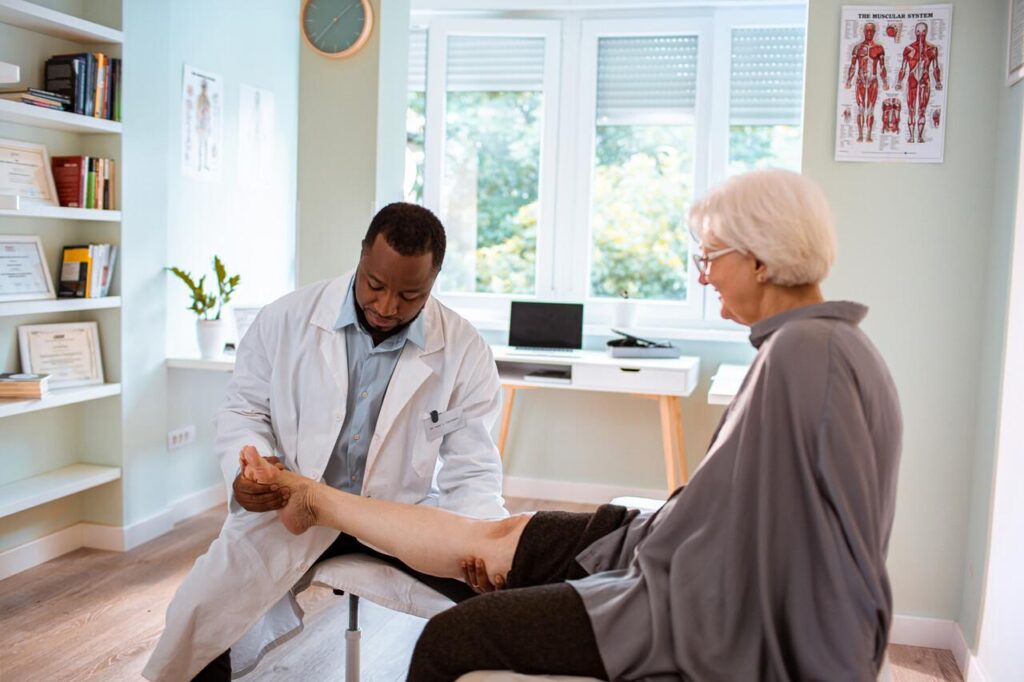
The second warning sign deserves particular attention because it can sometimes indicate a potentially dangerous blood clot.
Have you noticed that one leg suddenly appears more swollen than the other?
Perhaps your calf feels tender, the skin looks unusually red, or the affected area feels warmer than the surrounding skin.
These symptoms can have several possible causes, but one condition doctors need to consider is deep vein thrombosis, also known as DVT.
What Is Deep Vein Thrombosis?
DVT occurs when a blood clot develops in a deep vein, most commonly in the leg.
The clot can interfere with normal blood flow and cause swelling, pain, tenderness, warmth, or discoloration.
Common warning signs include:
- Swelling in one leg.
- Pain or tenderness, particularly in the calf.
- Skin that feels warmer than usual.
- Redness or unusual discoloration.
- Tender or swollen veins.
Not everyone experiences all these symptoms. In fact, some people with DVT have no noticeable symptoms.
Why Can a Blood Clot Be Dangerous?
The greatest concern is that part of a blood clot can break away and travel through the bloodstream to the lungs.
This can cause a pulmonary embolism, a serious and potentially life-threatening condition.
Warning signs of a pulmonary embolism include:
- Sudden difficulty breathing.
- Chest pain, particularly when taking a deep breath.
- A rapid or irregular heartbeat.
- Dizziness or fainting.
- Coughing up blood.
If you experience sudden breathing difficulties or chest pain, seek emergency medical assistance immediately.
If you develop unexplained swelling, pain, warmth, or discoloration in one leg, seek urgent medical assessment.
Do not attempt to diagnose a blood clot yourself, and do not massage a leg when DVT is suspected.
How Can You Reduce Your Risk?
Although not every blood clot can be prevented, certain habits can help reduce risk.
Consider these practical measures:
- Avoid remaining seated for excessively long periods.
- Take regular movement breaks during long journeys.
- Walk around when medically appropriate.
- Follow your doctor’s recommendations after surgery or hospitalization.
- Maintain a healthy weight.
- Discuss your individual blood clot risk with your healthcare provider.
People with previous blood clots, certain medical conditions, or recent surgery may need additional preventive measures.
Never start aspirin or blood-thinning medication on your own to prevent clots.
3. Increasing Leg Weakness, Unsteadiness, and Difficulty Getting Up
The third warning sign is something many families notice before the person experiencing it realizes how much their mobility has changed.
Perhaps an older parent begins using their hands to push themselves out of a chair.
They hold onto furniture while walking through the house.
Climbing stairs becomes increasingly difficult.
They begin avoiding longer walks because their legs feel weak or unreliable.
These changes should not automatically be considered an unavoidable part of getting older.
One possible explanation is age-related muscle loss, a condition known as sarcopenia.
What Is Sarcopenia?
Sarcopenia is the gradual loss of muscle strength and muscle mass that can occur as people age.
It can affect the legs particularly significantly because the muscles in the thighs, hips, and calves play essential roles in standing, walking, climbing stairs, and maintaining balance.
Possible signs include:
- Difficulty standing up from a chair.
- Slower walking speed.
- Trouble climbing stairs.
- Reduced physical endurance.
- Feeling unsteady while walking.
- Increasing difficulty carrying everyday objects.
Muscle weakness can also have other causes, including medication side effects, nutritional deficiencies, nerve problems, and underlying medical conditions.
That is why persistent or worsening weakness should be discussed with a healthcare professional.
Why Is Weakness a Serious Concern?
Leg strength is closely connected to independence.
When the muscles become weaker, everyday activities can require more effort.
Balance may also become less reliable, increasing the risk of falls.
A fall can result in serious injuries, including fractures and head injuries.
The National Institutes of Health emphasizes that balance problems, muscle loss, certain medical conditions, and medication side effects can contribute to falls in older adults.
The encouraging news is that strength and balance can often be improved with appropriate physical activity.
How Can You Protect Your Leg Muscles?
You do not necessarily need expensive equipment or an intensive gym routine.
Simple, consistent activities can make a meaningful difference.
Consider discussing the following exercises with your healthcare provider or physical therapist.
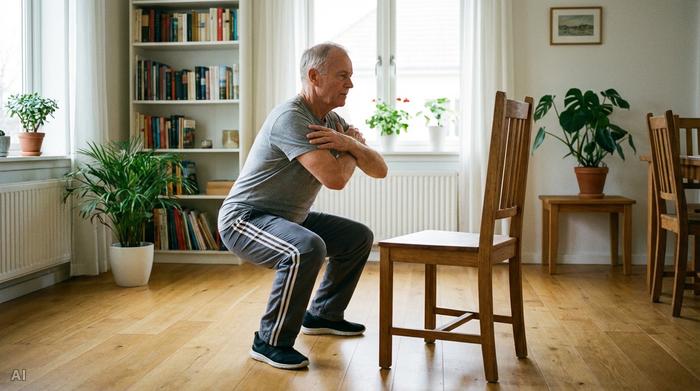
1. Chair Sit-to-Stand
This exercise helps strengthen the muscles used when standing and sitting.
2. Supported Heel Raises
Stand behind a sturdy chair and hold its back for support.
Slowly raise your heels until you are standing on your toes.
Pause briefly and lower your heels.
This movement works the calf muscles and can help improve lower-leg strength.
3. Gentle Walking
Walking is one of the simplest ways to maintain physical activity.
Start with a comfortable distance and gradually increase the duration as your ability improves.
If you experience chest pain, unusual shortness of breath, severe leg pain, or dizziness, stop and seek appropriate medical advice.
4. Balance Exercises
Exercises such as appropriately modified tai chi can help improve balance and coordination.
If you already have balance problems, work with a qualified professional to choose safe exercises.
5 Everyday Habits That Help Protect Your Legs After 65
Recognizing warning signs is important, but taking care of your legs every day is equally valuable.
Here are five practical habits that support healthy aging.
1. Keep Moving Throughout the Day
Long periods of inactivity can contribute to reduced mobility and muscle weakness.
Try incorporating gentle movement into your daily routine.
Depending on your physical abilities, this might include:
- Walking around your home.
- Gardening.
- Gentle stretching.
- Walking with a family member.
- Participating in an appropriate exercise class.
The goal is to remain active without pushing your body beyond its limits.
2. Eat Enough Protein and Maintain a Balanced Diet
Muscles need adequate nutrition to maintain their strength.
Include protein-rich foods in your meals, such as:
- Eggs.
- Fish.
- Chicken.
- Beans.
- Lentils.
- Greek yogurt.
- Milk and other dairy products.
A balanced diet should also include vegetables, fruits, whole grains, and healthy fats.
People with kidney disease or other dietary restrictions should discuss their protein needs with their healthcare provider.
3. Stay Hydrated
Older adults may not always recognize thirst as easily as younger people.
Drinking enough fluids throughout the day helps maintain normal body functions.
Water is generally a good choice.
However, people with heart failure, kidney disease, or fluid restrictions should follow their doctor’s individual recommendations.
4. Pay Attention to Your Feet
Your feet support your entire body, and small problems can interfere with walking.
Check your feet regularly for:
- Cuts.
- Blisters.
- Swelling.
- Changes in skin color.
- Unusual temperature changes.
- Wounds that are slow to heal.
Choose comfortable footwear with good support and nonslip soles.
If you have diabetes, regular foot examinations are particularly important.
5. Manage Conditions That Affect Circulation
High blood pressure, diabetes, and high cholesterol can contribute to blood vessel damage.
Regular medical checkups help identify these problems and monitor treatment.
If you smoke, quitting is one of the most important steps you can take to protect your blood vessels.
Take prescribed medications as directed and discuss any concerning side effects with your doctor.
When Should You See a Doctor About Leg Symptoms?
Not every ache or cramp indicates a serious medical condition.
However, certain symptoms should never be ignored.
Seek medical advice if you experience:
- Recurring calf pain when walking.
- Increasing leg weakness.
- Unexplained swelling.
- Persistent numbness or tingling.
- Cold or discolored feet.
- Wounds that do not heal.
- Increasing difficulty maintaining balance.
Seek urgent medical attention for sudden swelling and pain in one leg that could indicate DVT.
Call emergency services if leg symptoms occur alongside sudden chest pain, difficulty breathing, or fainting.
Sudden severe leg pain accompanied by a cold, pale, or numb foot also requires emergency assessment.
Frequently Asked Questions (FAQ)
1. Is leg weakness normal after age 65?
Some loss of muscle strength can occur with aging, but significant or progressive weakness should not automatically be considered normal. It can be associated with sarcopenia, medical conditions, medication effects, or nutritional problems.
2. What is the first sign of poor circulation in the legs?
One common warning sign of peripheral artery disease is cramping or aching in the legs during walking that improves after resting. Other symptoms may include cold feet, numbness, discoloration, and wounds that heal slowly.
3. Why do my legs feel heavy when I walk?
Heavy legs can have several possible causes, including muscle fatigue, circulation problems, venous disease, nerve conditions, and medication effects. Persistent symptoms deserve medical evaluation.
4. Can walking improve circulation after age 65?
Regular walking can support cardiovascular health and mobility. For people with peripheral artery disease, a structured or supervised walking program may improve walking ability. The appropriate program depends on the individual’s health and symptoms.
5. How can older adults strengthen their legs at home?
Chair sit-to-stands, supported heel raises, gentle walking, and suitable balance exercises can help maintain strength. People with existing mobility problems should ask a healthcare professional which exercises are appropriate.
6. Is swelling in one leg dangerous?
Sudden swelling in one leg, particularly when accompanied by pain, tenderness, warmth, or discoloration, can indicate deep vein thrombosis. It requires urgent medical assessment because a blood clot can travel to the lungs.
7. What foods help maintain strong leg muscles?
Protein-rich foods such as eggs, fish, chicken, beans, lentils, and dairy products help provide the nutrients needed for muscle maintenance. A balanced diet and regular physical activity are also important.
Final Thoughts: Your Legs Are Essential to Your Independence
As we grow older, it becomes increasingly important to pay attention to changes in our bodies.
Your legs do much more than carry you from one place to another. They help you remain independent, visit friends, enjoy family activities, shop, travel, and participate in everyday life.
Recurring pain when walking, sudden swelling in one leg, and increasing muscle weakness are three warning signs worth taking seriously.
They do not automatically mean something life-threatening is happening. But they can sometimes indicate conditions that benefit from early diagnosis and appropriate treatment.
The most important thing is not to wait until walking becomes extremely difficult before seeking help.
Stay active within your abilities, eat a balanced diet, monitor changes in your feet and legs, and maintain regular medical appointments.
Remember: Getting older is inevitable, but losing your independence does not have to be. Taking care of your legs today can help you stay mobile, confident, and active for years to come.
Medical Disclaimer: This article is intended for educational purposes only and does not replace professional medical advice, diagnosis, or treatment. Always consult a qualified healthcare professional about new, persistent, or concerning symptoms. Seek emergency care for symptoms of a possible pulmonary embolism or sudden severe loss of circulation.