 By Recipes
When people think about growing older, they often imagine slowing down, spending more time at home, and gradually stepping away from the activities that once filled their days.
But reaching your 80s doesn’t mean life has lost its possibilities. In fact, this stage can bring a new understanding of what happiness really means.
By the time people reach their eighties, many have already experienced some of life’s biggest milestones. They’ve built careers, raised families, celebrated victories, faced disappointments, and said goodbye to people they love.
At this point, the things that once seemed so important may begin to matter less. Expensive possessions, professional achievements, and a busy schedule can take a back seat to something much simpler: feeling useful, staying connected, and enjoying everyday life.
So what truly helps people remain happy after 80?
The answer isn’t one miracle habit or a secret to eternal youth. It’s a combination of several important things that support both emotional and physical well-being.
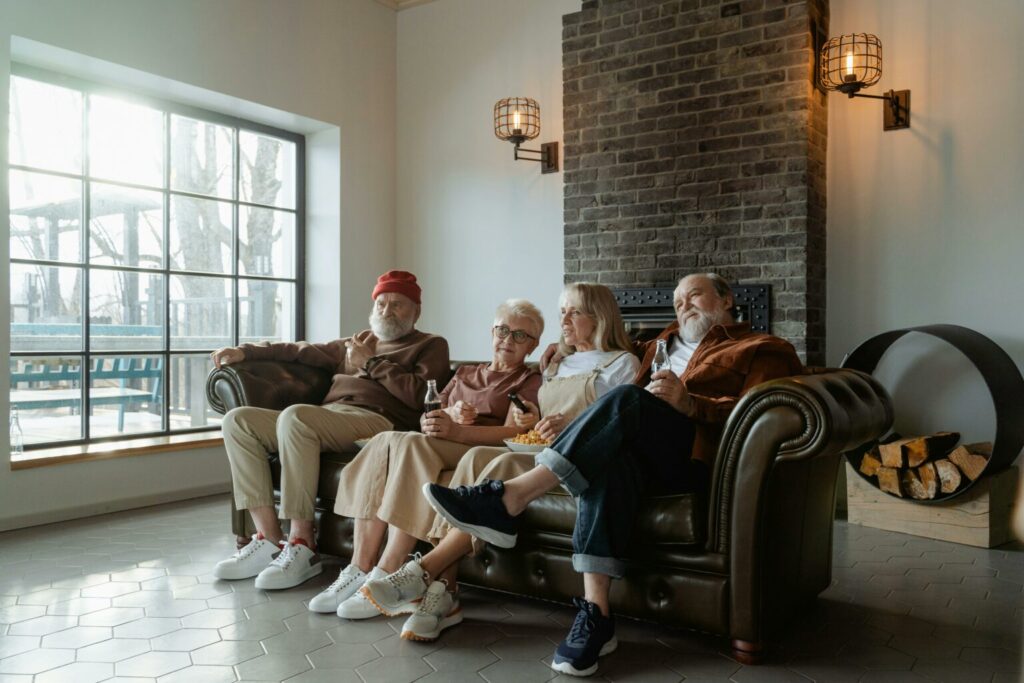
1. Having a Reason to Get Up Every Morning
One of the most important ingredients of happiness in later life is having a sense of purpose.
For many years, daily life provides a natural structure. People go to work, raise children, take care of responsibilities, and make plans for the future.
Retirement can change that routine dramatically. Children grow up and build their own lives, careers come to an end, and responsibilities that once filled every day may disappear.
Without something meaningful to look forward to, some older adults begin to feel that their days have lost direction.
But purpose doesn’t have to mean starting a new business, writing a book, or accomplishing something extraordinary.
It can be as simple as tending a garden, caring for a pet, preparing a meal for loved ones, volunteering, or helping grandchildren with their homework.
Even a small daily responsibility can create a sense of belonging and usefulness.
Having something to look forward to gives the day meaning — and that can make a remarkable difference.
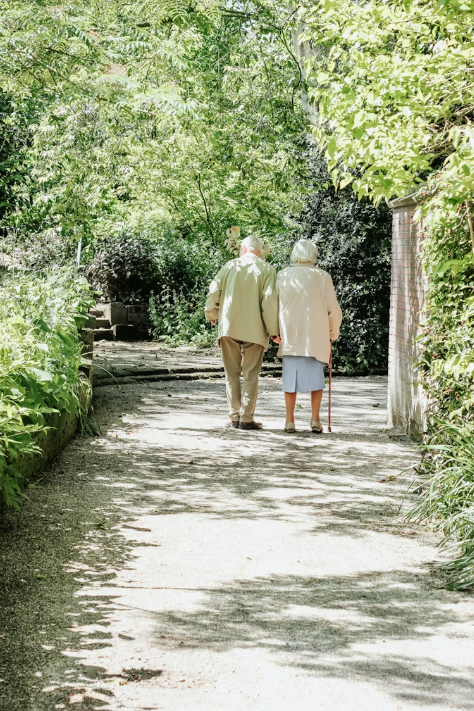
2. Staying Close to Other People
As people grow older, their social circles often become smaller. Friends move away, loved ones pass on, and family members may become busy with their own responsibilities.
That’s why maintaining relationships becomes especially important.
Human beings need connection at every age. A friendly phone call, a weekly card game, coffee with a neighbor, or a family dinner can bring comfort and happiness.
These moments may seem ordinary, but they can help older adults feel remembered, valued, and included.
Loneliness is more than simply having nobody around. A person can live in a house full of people and still feel emotionally disconnected.
Regular contact with friends and family can help protect emotional well-being and reduce the burden of isolation.
Sometimes, the most meaningful thing we can do for an older person is not organize a big celebration or buy an expensive gift.
It’s simply to sit beside them, listen to their stories, and make them feel that they still matter.
3. Keeping the Body Moving
Physical changes are a natural part of aging. Muscles can become weaker, balance may become less steady, and everyday activities can require more effort.
However, getting older doesn’t mean giving up on movement.
Staying physically active, within one’s abilities, can help older adults maintain strength, balance, and independence.
Walking, gentle stretching, gardening, or simple exercises recommended by a healthcare professional can all make a difference.
The goal isn’t to compete with younger people or achieve impressive athletic results.
It’s about preserving the ability to do everyday things: getting out of a chair, walking to the store, visiting friends, or enjoying time with family without depending on others for every little task.
Movement can also support social connection. A short walk with a neighbor or a visit to a local community center combines physical activity with companionship.
The important thing is to find activities that are safe, enjoyable, and suitable for each person’s health and abilities.
4. Eating Well — and Enjoying Meals Together
Nutrition becomes increasingly important with age.
As the body changes, maintaining muscle strength and getting enough essential nutrients can become more challenging.
A balanced diet that includes protein, vegetables, fruit, whole grains, nuts, and healthy fats can support overall health.
Foods such as fish, olive oil, beans, and fresh vegetables are common parts of the Mediterranean-style eating pattern, which has been widely studied for its potential health benefits.
But there’s another part of eating well that deserves attention: sharing meals with other people.
Food is not only about calories and nutrients. It is also connected to memories, traditions, comfort, and relationships.
A Sunday lunch with children, a homemade meal with grandchildren, or coffee and cake with an old friend can bring joy that goes far beyond what’s on the plate.
For many older adults, eating together can turn an ordinary afternoon into something special.
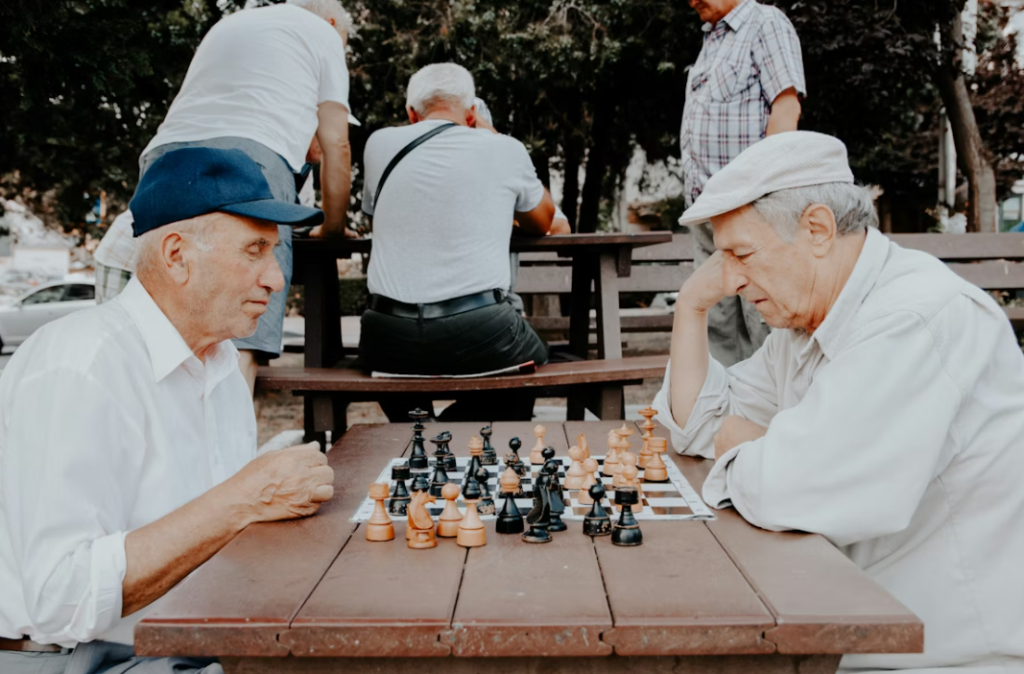
5. Understanding That Life Doesn’t End at 80
Perhaps the biggest misconception about aging is that life somehow stops being exciting after a certain birthday.
Of course, growing older can bring challenges. Health problems, the loss of loved ones, reduced mobility, and changes in independence can make life more difficult.
But turning 80 doesn’t mean a person has nothing left to discover, enjoy, or contribute.
There can still be new friendships, meaningful conversations, family celebrations, hobbies, trips, and unforgettable moments.
Happiness at this age may look different from happiness at 30 or 50.
It may be found in a quiet morning, a familiar song, a visit from someone you love, or the simple pleasure of being able to do something independently.
And those little moments deserve to be appreciated.
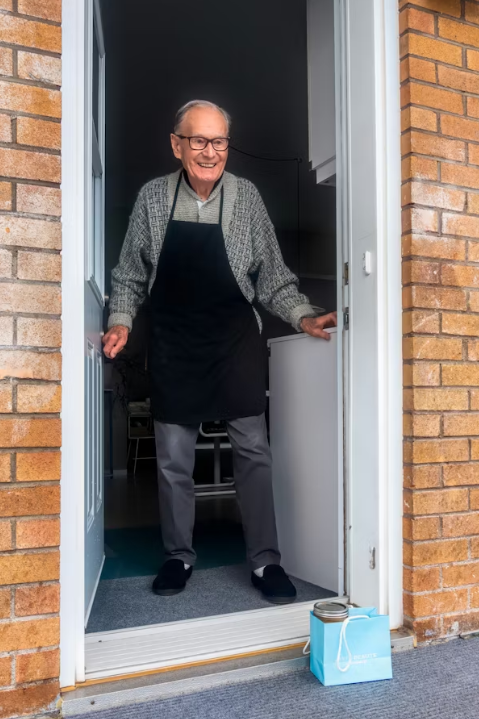
The Real Secret to Happiness After 80
There is no single formula that guarantees a happy old age. Everyone’s circumstances, health, and needs are different.
But a few things consistently stand out: having a reason to keep going, maintaining meaningful relationships, staying active when possible, and taking care of the body through good nutrition.
Above all, older people need to feel that they are still part of the world around them.
They need to know that someone is looking forward to seeing them, that their stories are worth hearing, and that their presence makes a difference.
Growing older may change the way we live, but it doesn’t take away our need for love, friendship, purpose, and belonging.
Perhaps the greatest measure of a happy life after 80 isn’t how much we own, how busy we are, or how many years we’ve lived. It’s how connected we feel, how much meaning we find in each day, and how deeply we know that we still matter.
And sometimes, happiness really is as simple as having someone to share a cup of coffee with.
What do you think matters most for happiness in old age — good health, family, friendship, or having a purpose? Share your thoughts in the comments.